
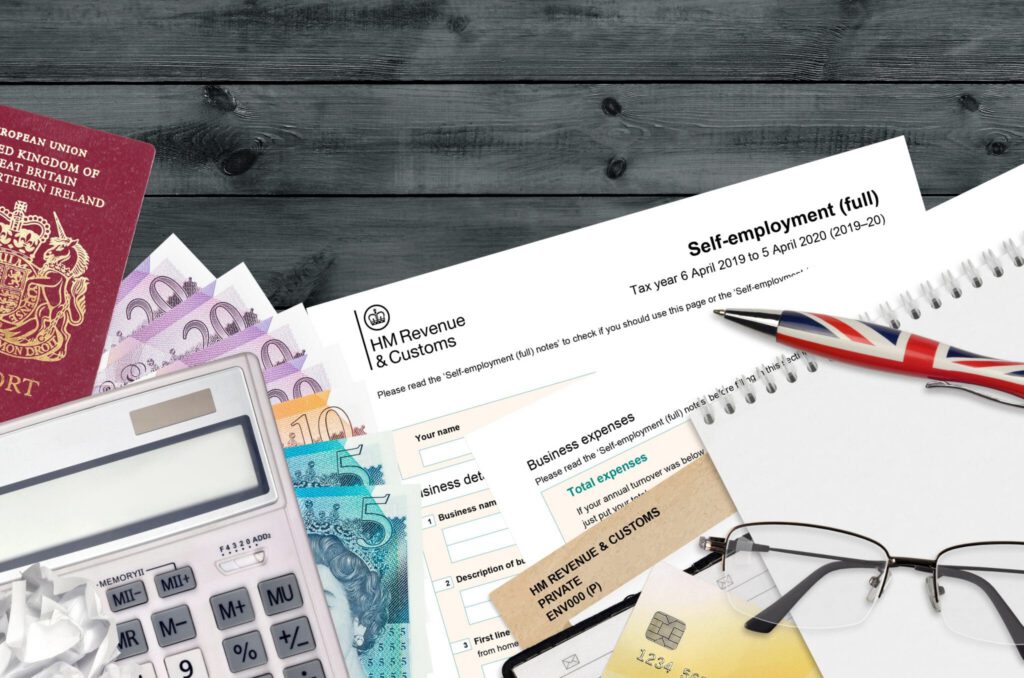
Personal Tax in Hove
Professional personal tax services from Brywel Associates, helping individuals across Brighton, Hove, Shoreham-by-Sea, and the surrounding areas prepare accurate returns, understand their position, and meet important deadlines.

Clear Tax Support From Records to Submission
Brywel Associates provides personal tax and self-assessment tax return support for sole traders, landlords, company directors, partners, and individuals with income that may need to be reported.
Our personal tax service can connect with bookkeeping, payroll, VAT returns, accounting support, and corporation tax, giving clients across East and West Sussex access to coordinated financial services through one experienced team. We review the information, clarify queries, prepare the figures, and complete the return for your approval before submission.
Starting early creates time to gather records, answer questions, and understand the amount due.
Who May Need a Self-Assessment Tax Return?
Self Assessment allows HMRC to collect tax that has not already been deducted through PAYE or another system. The need to file depends on your income and circumstances during the relevant tax year.
You may need to complete a return if you:
- earned more than £1,000 from self-employment before allowable costs
- were a partner in a business partnership
- received income from renting out property or land
- received untaxed savings interest, dividends, or foreign income
- need to report a taxable capital gain
- need to pay the High Income Child Benefit Charge outside PAYE
- wish to claim certain forms of tax relief
Brywel’s accountants can review your circumstances and explain the next step. Company directors do not automatically need to file solely because of their position, although other income or tax matters may require it.

What Our HMRC Tax Return Services Cover
Our HMRC tax return services provide an organised route from collecting information to submission. The work reflects your income, expenses, gains, and reliefs.
The agreed service can include:
- reviewing income and expenditure records
- calculating self-employed or property income
- recording employment, pension, savings, and dividend income
- considering eligible expenses, allowances, and reliefs
- preparing your self-assessment tax return
- explaining the figures and amount payable
- submitting the approved return to HMRC
- corresponding with HMRC under the appropriate authority
Once the return is ready, we send it to you for review. You confirm that the information supplied is complete and accurate, while our team handles the preparation and guides you through the process.
Organised Records Make Tax Filing More Efficient
Effective tax filing begins with complete, accessible information. Your records may include invoices, expense receipts, bank interest statements, dividend vouchers, P60s, P45s, pension details, property income, and information about relevant gains or disposals.
We provide a clear list based on your circumstances so you can supply the right information. When we already manage your accounts or records, relevant figures can move into the personal tax process with fewer repeated requests.
Clients across Brighton, Hove, Shoreham-by-Sea, and the surrounding areas can send records digitally or use another agreed method. We review the information, raise focused queries, and move the return towards approval and submission.

Claim the Tax Relief Available to You
Tax relief and allowable expenses depend on your income, the purpose of the cost, and the rules that apply. Qualifying business costs may reduce a sole trader’s taxable profit. Pension contributions, charitable donations, professional subscriptions, and specific investment reliefs may also apply.
Our accountants assess the information and apply eligible claims accurately. When a cost has business and personal use, only the qualifying business proportion may be allowable. We explain what evidence you need and how the treatment affects your return.
This approach helps you claim available relief without relying on broad assumptions or unsupported costs.
Plan for Deadlines and Tax Payments
Early preparation gives you time to understand your liability and plan payment. HMRC normally requires paper returns by 31 October following the tax year and online returns by the following 31 January. Tax is generally due by 31 January, with a further 31 July deadline for applicable payments on account.
We confirm the dates relevant to your return and agree on an information deadline. For an outstanding return, our team can organise the records, identify missing details, and prepare the submission.
FAQs – Personal Tax
You may need to submit a return for self-employed profits, partnership or rental income, certain savings or dividends, foreign income, taxable gains, or another tax liability. Brywel Associates can review your income sources and establish if you need to register or file.
Records may include your Unique Taxpayer Reference, National Insurance number, P60 or P45, invoices, expenses, interest statements, dividend vouchers, pension information, rental records, and details of disposals. We provide a tailored checklist before preparing the return.
Yes. An authorised accountant can prepare and submit an overdue return. Late-filing penalties may apply, so prompt action can limit further charges and clarify the amount due. Our team explains what we need and organises the work.
You can provide records after the tax year ends. Earlier delivery allows more time to resolve missing information, review figures, and plan payment. Brywel Associates agrees on a suitable timetable with each client.
Yes. You can normally amend a return within 12 months of the Self Assessment deadline. Brywel Associates can review the original figures, prepare the correction, and explain how any revised tax liability or repayment affects you.
Self-employed people must normally retain their records for at least five years after the relevant 31 January submission deadline. Our accountants can explain which documents support your return and how long you should keep them.
Organise Your Personal Tax With Our Accountants
Brywel Associates provides personal tax and self-assessment tax support across Brighton, Hove, Shoreham-by-Sea, and the surrounding areas. Our HMRC tax return services cover organised tax filing, appropriate tax relief claims, clear explanations, and submission of your approved return.
Call 01273 705836 or use our online contact form to arrange a free consultation and discuss your personal tax requirements with our team.